
Where knowledge meets imagination.
Ignis isn't a school with a few separate STEAM programs. It's one connected way of learning, where every subject feeds into real problems scholars solve and share.
One model. One engine. Five pillars.
EL Education
Our proposed instructional model is built on three dimensions of achievement: mastery of knowledge and skills, character, and high-quality work.
Global Design Labs
Our Global Design Labs (GDLs) is our signature approach to teaching and learning: nine-week, interdisciplinary units built around inquiry, design thinking, fieldwork, and public exhibition.
Five connected pillars feed every Global Design Lab.
Ignis plans to open as an EL Education partner school and pursue the EL Education credential over time.
Global Design Labs
Every nine weeks, a real challenge.
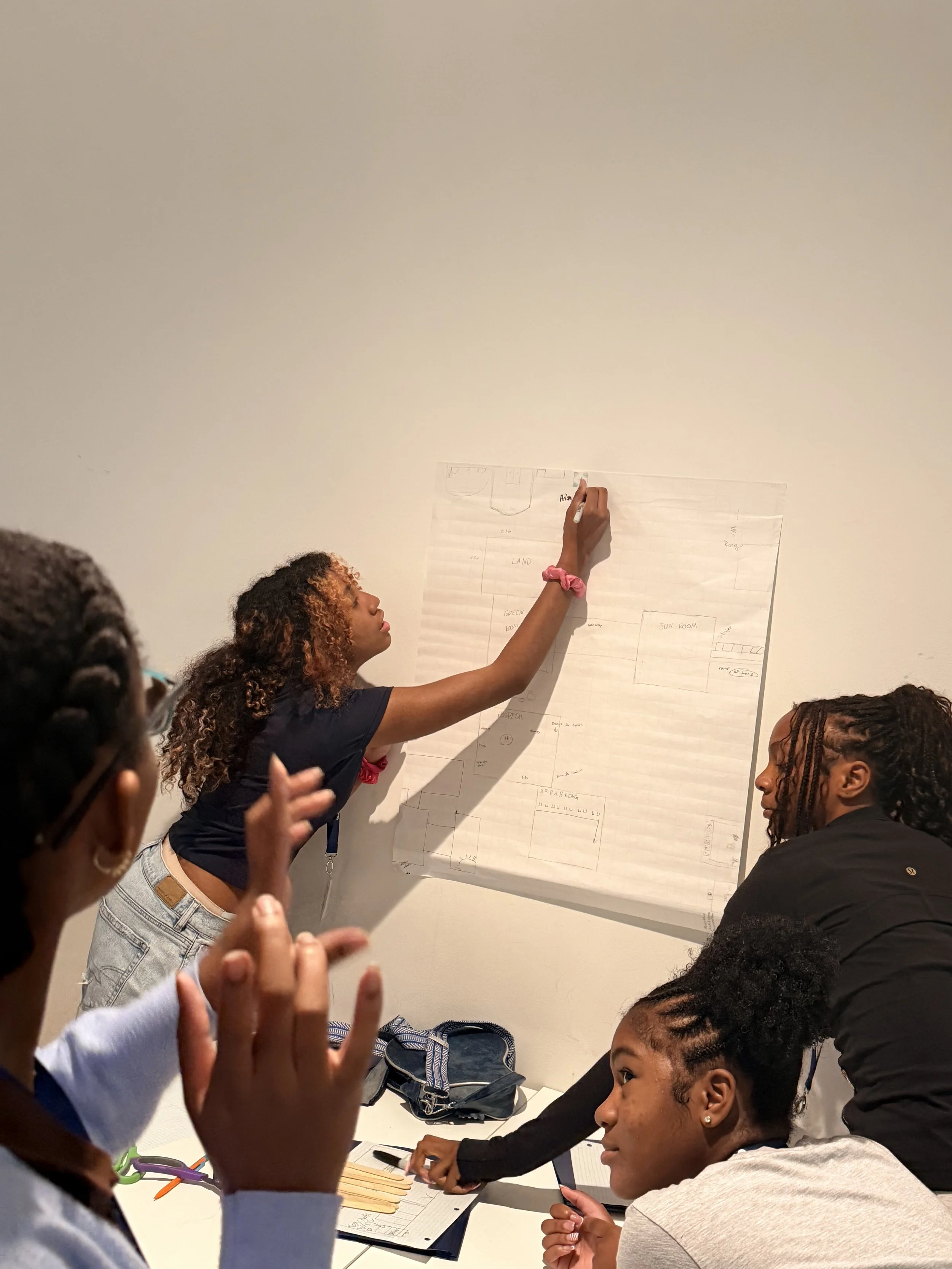
Scholars take a real question and work on it across subjects: researching in Humanities, modeling in Math, building in Engineering and Computer Science, and telling the story through the performing arts.
Each lab ends in a public exhibition, where scholars present their work to families, partners, and experts.
Creative and technical. Never either/or.
Computer Science
Coding, data, and the technology tools that solve real problems.
Engineering
Designing, building, and testing solutions with the engineering design process.
Performing Arts
Music and theatre as full disciplines and as the way scholars tell their stories.
Advanced Academics
Rigorous coursework for every scholar, including AP and college credit.
Global Citizenship
World languages, global awareness, and service to community.
INNOVATE
At Ignis Academy, a universal design thinking framework anchors all teaching and learning, ensuring coherence, rigor, and purpose across disciplines. This shared framework provides students with a common language for investigating challenges, designing solutions, analyzing impact, and refining their work. By grounding instruction in a structured, human-centered design approach, IA ensures that literacy, numeracy, technical skill, creativity, and ethical reasoning develop in tandem—preparing scholars not just to complete assignments, but to think systematically and lead confidently in complex, real-world contexts.
Our Full 6–12 Continuum
Middle school: discover strengths, build confidence.
- Two teachers in Math and Humanities, so every scholar gets more attention.
- Spanish as a core subject, alongside math, science, and humanities.
- Engineering, Computer Science, Music, and Theatre as part of the regular school week.
- Global Design Labs that connect every class to a real challenge.
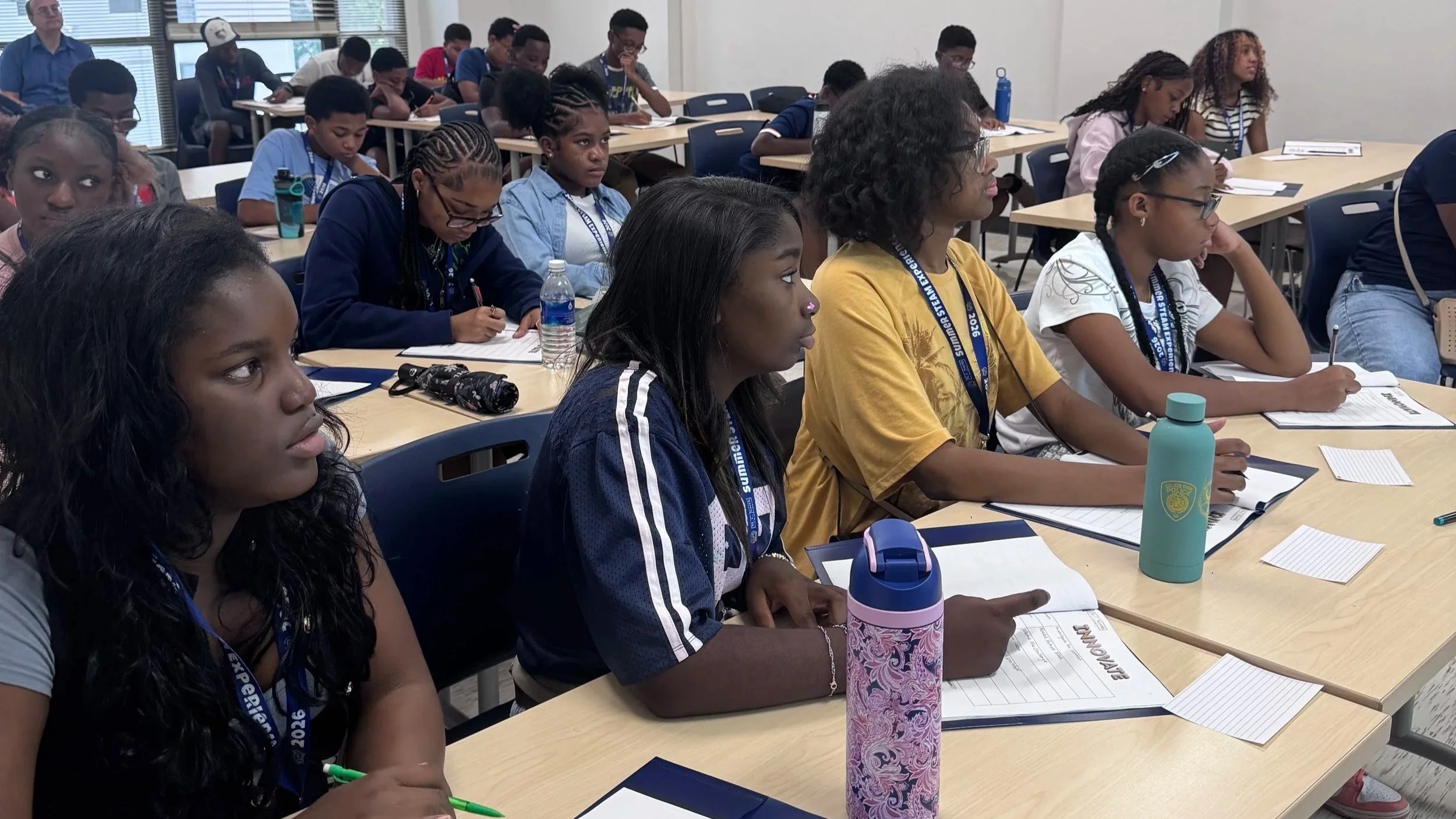
Every scholar known. Every scholar supported.
Crew
Small advisory groups where scholars build relationships, set goals, and look out for one another.
W.I.N. Wednesdays
"What I Need" time each week for extra help, enrichment, goal setting with goals scholars revisit each day, and extensive time in our makerspaces working on their Global Design Lab projects.
Scholar-led conferences
Scholars lead conversations with their families about their own progress and goals.
High school: two majors, one future.
In grade 9, every scholar chooses two majors: one in emerging technology and one in the performing arts.
Technology major
Computer Science or Engineering
Arts major
Music or Theatre
- Advanced Placement (AP) courses
- Up to 29 hours of college credit through planned dual enrollment with Clayton State University
- Up to six years of Spanish across grades 6–12
- An AI certification pathway from AI literacy to AI creation